
The most widely recognized Washington Redskins logo was designed in 1971 by Walter "Blackie" Wetzel, a Blackfeet tribal council member and former President of the National Congress of American Indians. The design was inspired by Chief Two Guns White Calf and was intended by Wetzel as a tribute to Native American heritage. The logo and name were officially retired in July 2020 following intense economic pressure from a $620 billion investor group and major corporate sponsors like FedEx and Nike.
The visual identity of the Washington professional football franchise remains one of the most heavily debated topics in American sports history. For nearly five decades, the team's helmets featured a profile image that served as a flashpoint for discussions regarding cultural representation, historical intent, and corporate responsibility.
Understanding the history of this emblem requires looking beyond the football field. It involves examining the specific individuals who created it, the political maneuvers used to protect it, the linguistic evolution of the team's name, and the unprecedented financial pressures that ultimately led to its removal.
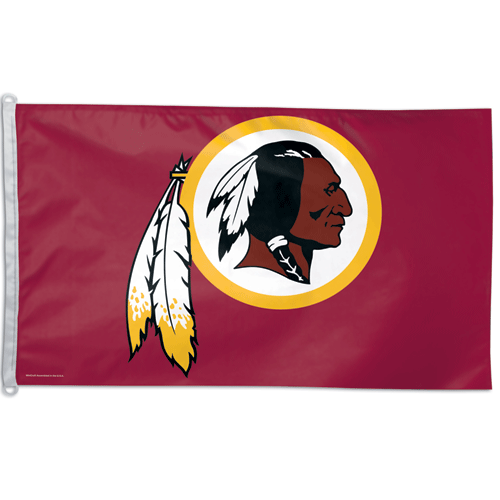
While the franchise utilized various forms of Native American imagery since its inception, the specific logo that defined the team for half a century was not created by a corporate marketing firm. It was designed in 1971 by Walter "Blackie" Wetzel, a prominent Native American leader.
Wetzel was a member of the Blackfeet Nation in Montana and served as the President of the National Congress of American Indians (NCAI) from 1961 to 1964. During his time in Washington, D.C., Wetzel noticed that the football team was using a generic "R" logo on their helmets. Believing that Native Americans should be visibly represented in mainstream American culture rather than relegated to the margins, Wetzel approached the team's management with a proposal for a new design.
Wetzel did not want a caricature or a generic mascot. He based his design on a real historical figure: Chief Two Guns White Calf of the Blackfeet Nation. The resulting image featured a dignified profile of a Native American man adorned with two feathers, enclosed within a gold circle.
For the Wetzel family, the creation of the logo was an act of cultural pride. They viewed the emblem as a tribute rather than a slur. Years later, Walter Wetzel's son, Don Wetzel, publicly defended his father's work during the height of the controversy.
"It needs to be said that an Indian designed the logo, and it was intended to represent the Red Nation, and it's something to be proud of." — Don Wetzel (2014)
This origin story complicates the narrative surrounding the logo. While many modern activists view the imagery as inherently harmful, the historical record confirms that its most famous iteration was actively championed by a respected Native American political leader who saw it as a symbol of strength and visibility.
The visual branding of the franchise underwent several distinct phases before settling on the Wetzel design, and it has continued to evolve since the 2020 retirement.
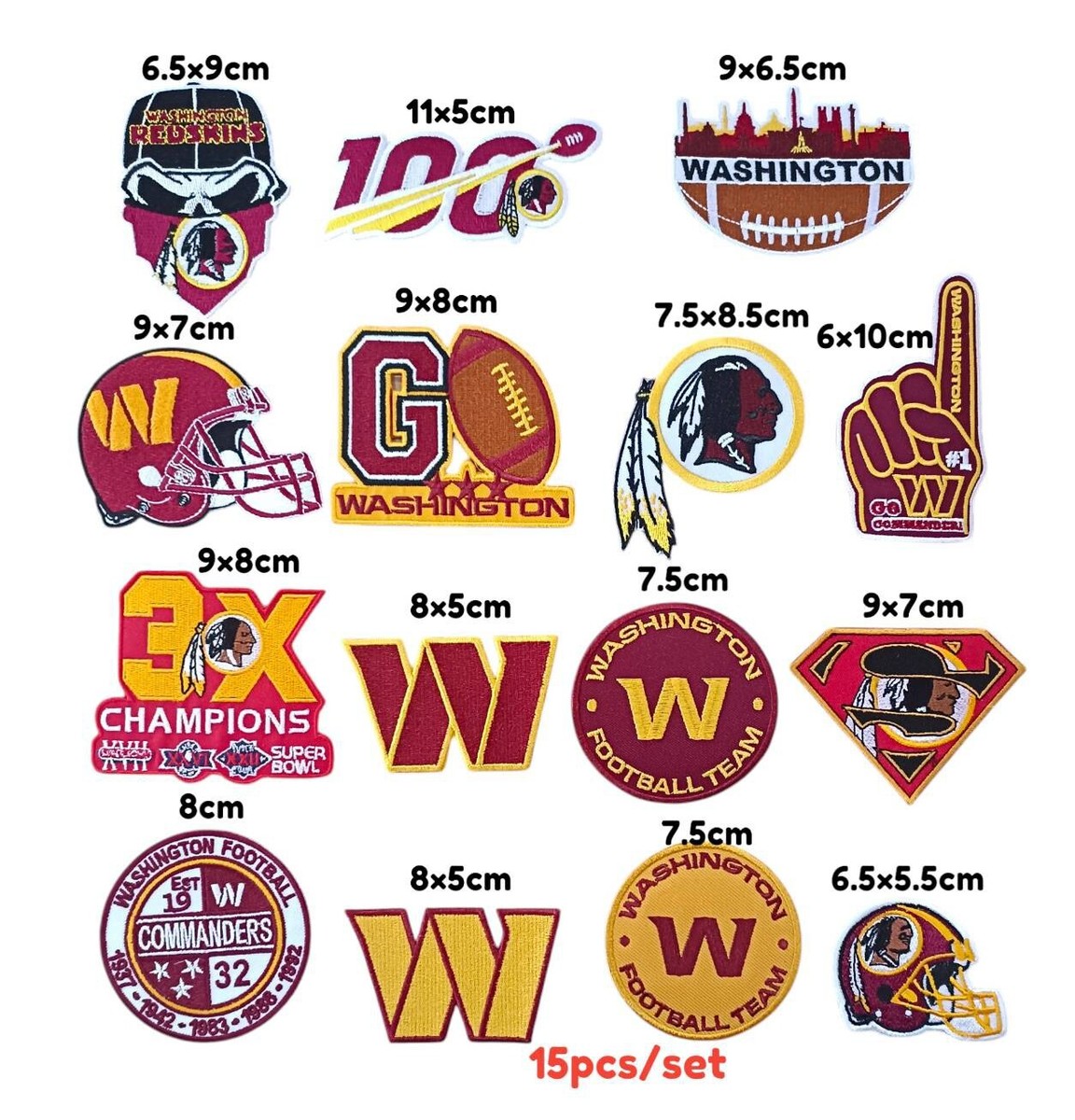
| Era | Primary Logo Description | Design Inspiration / Catalyst |
|---|---|---|
| 1932 | Profile with full feathered headdress | Alignment with the Boston Braves baseball team |
| 1970 | Burgundy "R" with hanging feathers | Vince Lombardi's preference for minimalist design |
| 1971-2020 | Profile of Chief Two Guns White Calf | Walter Wetzel's push for authentic Native representation |
| 2020-2021 | Gold "W" (Washington Football Team) | Placeholder during corporate sponsor boycott |
| 2022-Present | Stylized "W" and military-style crest | Complete rebrand to "Commanders" |
While the 2020 retirement is often viewed as a sudden shift, the organization actually began making concessions regarding its Native American branding decades earlier. The first major acknowledgment that the team's traditions could be offensive occurred in March 1972.
A delegation of Native American leaders requested a meeting with Edward Bennett Williams, the team's president and part-owner. The delegation presented a list of grievances regarding how the team's game-day atmosphere mocked Native culture. Williams, a highly influential Washington attorney, listened to their concerns and agreed to a compromise.
While Williams refused to change the team's name or the newly adopted Wetzel logo, he did implement two significant changes to the game-day experience:
This 1972 meeting stands out as a critical moment in the franchise's history. It marked the first time the front office officially recognized that elements of their branding crossed the line from tribute to mockery, setting a precedent for the debates that would follow.
The controversy surrounding the logo and name did not just play out in public opinion polls; it directly impacted the physical location of the franchise. In the 1990s, team owner Jack Kent Cooke was desperate to build a modern stadium to replace the aging RFK Stadium in Washington, D.C.
Cooke's strong preference was to build the new stadium within the District of Columbia. However, RFK Stadium and the proposed new sites were located on federal land, which fell under the jurisdiction of the Department of the Interior.
This geographical reality gave federal lawmakers leverage over the team. Senator Ben Nighthorse Campbell, a member of the Northern Cheyenne Tribe, introduced federal legislation that would block the team from building a new stadium on public land in D.C. unless Cooke agreed to change the team's name and logo.
Faced with the prospect of losing his preferred branding or losing out on a lucrative new stadium, Jack Kent Cooke chose a third option. He abandoned the plans to build in the District of Columbia entirely. Instead, he purchased land in Landover, Maryland, using private funds to construct what is now known as Commanders Field. By moving the team across state lines onto private property, Cooke successfully bypassed the federal lawmakers and protected the "Redskins" name for another two decades.
To understand why the logo became so controversial, one must examine the linguistic history of the word that accompanied it. The debate over the term "redskin" is highly complex, with historians and linguists frequently pointing to conflicting origins.
On one side of the debate is the argument that the term originated as a neutral, or even positive, descriptor. In 1823, American author James Fenimore Cooper used the term in his novel The Pioneers. In Cooper's context, the word was often used by Native characters to describe themselves in contrast to white settlers, framing them as noble figures connected to the land.
However, the usage of the word shifted dramatically in the late 19th century as conflicts between the U.S. government and Native tribes intensified. By 1890, L. Frank Baum (who would later write The Wizard of Oz) published editorials in the Aberdeen Saturday Pioneer calling for the "total annihilation" and "extermination" of the "untamed and untamable" redskins.
Furthermore, organizations like the National Congress of American Indians (NCAI) have long argued that the term is intrinsically linked to the practice of bounty hunting. According to this historical interpretation, the word refers to the bloody scalps or skins of Native Americans that were presented to colonial and state governments as proof of a kill in order to collect a financial reward.
This stark contrast—between those who view the word through the lens of early 19th-century literature and those who view it through the lens of late 19th-century violence—made consensus impossible. While a controversial 2004 Annenberg poll suggested that 9 out of 10 Native Americans were not offended by the name, organizations like the NCAI, representing over 1.2 million tribal members, maintained a firm stance that the word was a racial slur that had no place in professional sports.
Despite decades of protests, lawsuits, and political pressure, the franchise's ownership remained steadfast in their refusal to change the name or logo. As late as 2013, team owner Dan Snyder famously told a reporter, "We'll never change the name. It's that simple. NEVER—you can use caps."
So, what changed in July 2020?
The catalyst was not a sudden shift in moral philosophy, but rather an unprecedented wave of economic pressure. Following the nationwide protests for racial justice in the summer of 2020, corporate America faced intense scrutiny regarding its associations with racially insensitive branding.
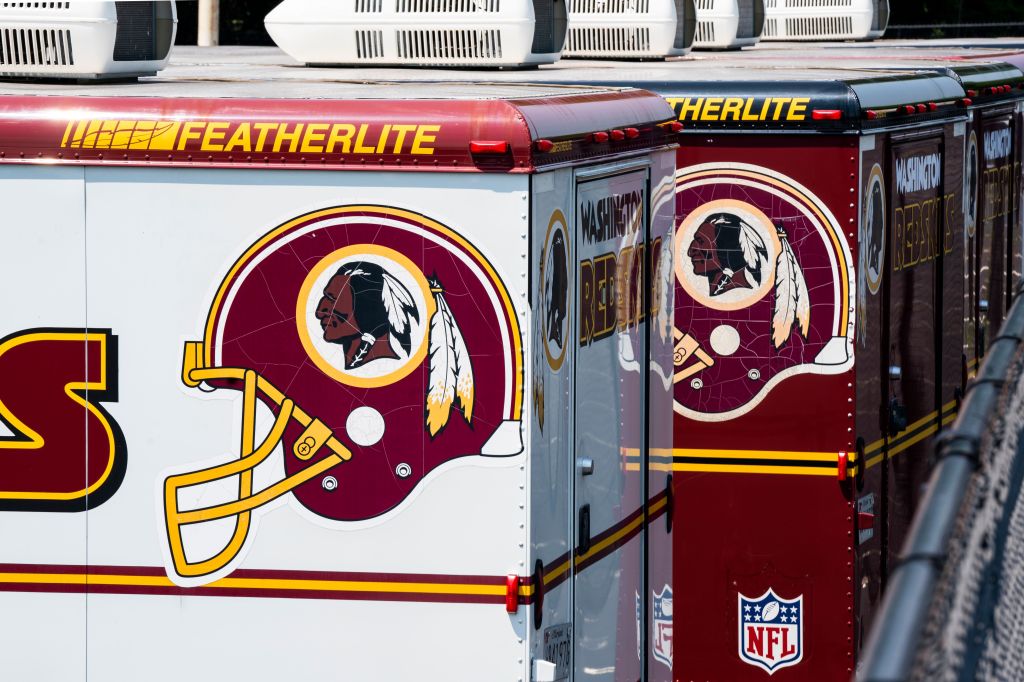
A group of powerful investment firms and shareholders, representing a staggering $620 billion in assets, drafted letters to the team's primary corporate sponsors. The investors demanded that these companies sever ties with the franchise unless the name and logo were retired.
The corporate response was swift and highly impactful:
Faced with the potential collapse of the team's financial infrastructure, Snyder capitulated. On July 13, 2020, the team announced the immediate retirement of the Redskins name and the Wetzel logo. The franchise operated as the "Washington Football Team" for two seasons before officially rebranding as the Washington Commanders in 2022. During the rebranding process, team president Jason Wright explicitly stated that the new identity would have "no connection to Native Americans," ensuring a clean break from the past.
Despite the official retirement of the brand, the debate has not entirely faded. In recent years, a movement has emerged attempting to force the franchise to reinstate the Walter Wetzel logo.
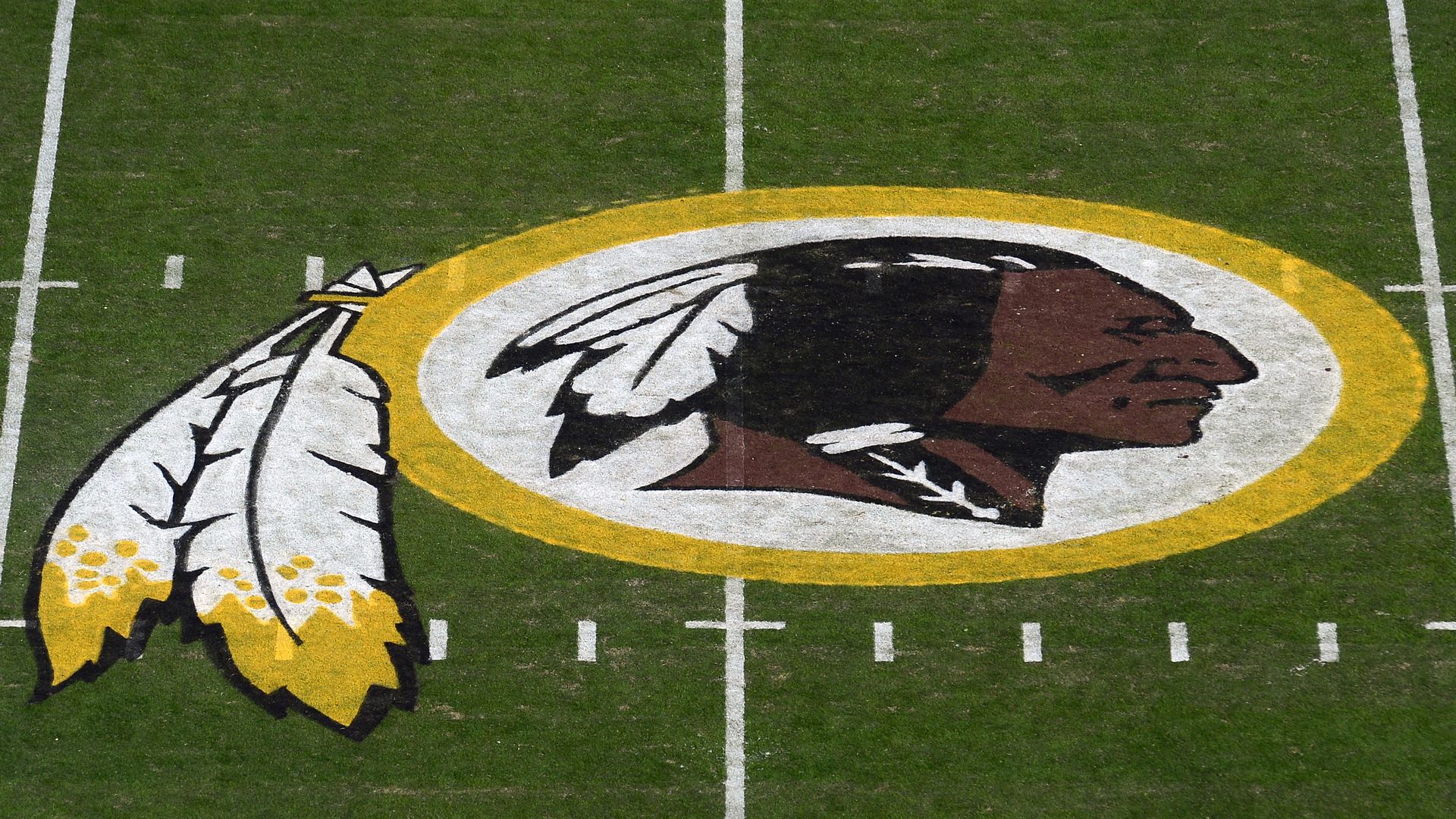
In 2023 and 2024, the Native American Guardians Association (NAGA) filed legal actions against the Washington Commanders organization. NAGA's primary argument centers on the idea that removing the logo constitutes the erasure of Native American history. Operating under the slogan "Education, Not Eradication," the group argues that the Wetzel design is a point of pride that should be restored to the team's helmets.
Public sentiment among the fanbase remains fractured. A 2024 poll conducted by the Washington Post revealed that a significant portion of the fanbase is dissatisfied with the "Commanders" moniker. However, the data also shows that there is no overwhelming consensus to return to the old name, with many fans preferring a completely new identity that avoids the controversy of the past.
As of 2026, the NFL and the current ownership group of the Washington Commanders (led by Josh Harris, who purchased the team from Dan Snyder in 2023) have maintained a firm stance. There are no official plans to revert to the Redskins name or to utilize the Walter Wetzel logo in any official capacity on the field.
The logo depicts Chief Two Guns White Calf of the Blackfeet Nation. The design was created in 1971 by Walter "Blackie" Wetzel, a Blackfeet tribal council member, who wanted to ensure that a real, dignified Native American figure was represented rather than a generic caricature.
Yes. Walter Wetzel, who served as the President of the National Congress of American Indians (NCAI) in the early 1960s, designed the most famous iteration of the logo. His family has consistently maintained that he created the design as a tribute to Native American heritage.
Team owner Jack Kent Cooke wanted to build a new stadium in Washington, D.C., but the proposed sites were on federal land. Federal lawmakers threatened to block the stadium construction unless the team changed its name. To bypass this political pressure and protect the brand, Cooke opted to build the stadium on private land in Landover, Maryland.
While social pressure had existed for decades, the immediate catalyst for the 2020 retirement was economic. An investment group representing $620 billion in assets pressured the team's major sponsors (including FedEx, Nike, and PepsiCo) to cut ties with the franchise unless the name and logo were changed. Facing massive financial losses, the team ownership agreed to the change.
Yes, the Native American Guardians Association (NAGA) filed legal actions in 2023 and 2024 against the franchise, arguing that the removal of the logo erases Native American history. However, the team's current ownership has stated they have no intention of returning to the old branding.
According to estimates from the National Congress of American Indians, the number of schools using Native American imagery has decreased by roughly two-thirds over the last 50 years. As of recent data, fewer than 1,000 schools nationwide still utilize such mascots, with many states passing legislation to ban the practice entirely.
The Washington Redskins logo remains one of the most complex symbols in American sports history. Its story is not a simple narrative of corporate malice, but rather a tangled web of cultural pride, linguistic evolution, and modern economic realities.
