What Is Garbage Time in the NFL and How Does It Change the Game?
Garbage time in the NFL refers to the final portion of a game where one team holds an insurmountable lead, effectively deciding the outcome before the clock expires. During this period, defensive strategies shift to "prevent" formations, offensive play-calling becomes highly predictable, and coaches frequently substitute star players with backups to avoid injuries. While the points scored during this window do not impact the actual game result, they heavily influence fantasy football scoring, sports betting point spreads, and season-long player statistics.
If you have ever watched a prime-time football game where a team trailing by 24 points suddenly strings together a flawless, 80-yard touchdown drive in the final three minutes, you have witnessed the phenomenon of garbage time. To the casual observer, it looks like a miraculous offensive awakening. To the seasoned football analyst, it is a predictable byproduct of situational game management.
The term itself is widely attributed to legendary Los Angeles Lakers broadcaster Chick Hearn, who used it to describe the final minutes of basketball blowouts. However, the concept has found its most profound statistical and cultural impact in the National Football League. According to historical definitions of the term, this period fundamentally alters how the sport is played. The leading team stops trying to score aggressively and focuses entirely on draining the clock, while the trailing team abandons its balanced playbook in favor of a frantic, pass-heavy approach.
Understanding this concept is not just about knowing football trivia. It is a critical framework for evaluating player talent, making informed sports wagers, and navigating the chaotic landscape of fantasy football. When the competitive phase of a game ends, a completely different set of rules takes over.
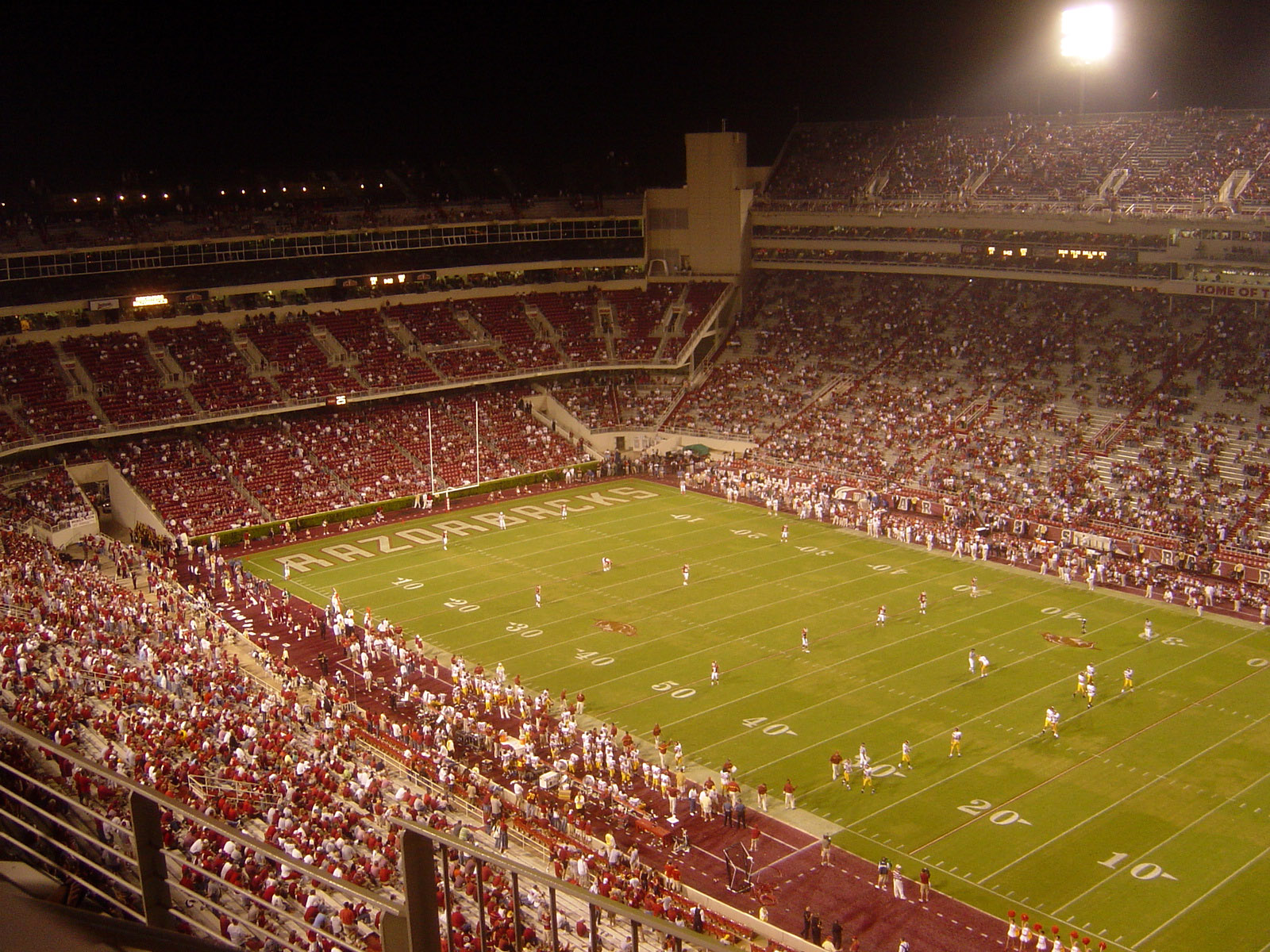
Image source: Wikipedia
When Does an NFL Game Officially Become Garbage Time?
For decades, fans and commentators treated garbage time as a subjective feeling—a vibe that settled over the stadium when the crowd started heading for the exits. However, modern football analytics have provided a strict mathematical signature for when a game transitions from competitive play to situational clock-killing.
The defining characteristic is a massive, measurable shift in play-calling tendencies. When a game is close, NFL offenses strive for balance to keep defenses guessing. But when a team faces a massive deficit late in the game, that balance evaporates entirely.
The PFF Formula and the Pass-Rate Spike
Analysts at Pro Football Focus (PFF) have quantified this shift by examining play-calling data across thousands of NFL games. According to PFF's research on defining garbage time, the transition occurs specifically when "play-calling on both sides of the ball is disrupted by game situation."
The data reveals a stark reality: in the fourth quarter, when a team is trailing by 14 to 20 points, their pass rate spikes to an overwhelming 85%. This is a massive deviation from the league-average pass rate, which typically hovers around 60% in neutral game scripts. The trailing team knows they need multiple scores quickly, and running the ball consumes too much precious clock.
Conversely, the defensive inverse is just as extreme. Teams leading by 21 or more points in the fourth quarter see their pass-calling drop to a mere 24%. The leading team's sole objective is to keep the clock moving, and incomplete passes stop the clock. Therefore, they run the ball relentlessly, even if the defense knows it is coming and stuffs the run for minimal yardage.
| Game Situation (4th Quarter) | Offensive Strategy | Average Pass Rate | Average Run Rate |
|---|---|---|---|
| Neutral (Tied or +/- 3 points) | Balanced attack, standard playbook | ~60% | ~40% |
| Trailing by 4-6 points | Aggressive but balanced | 72% | 28% |
| Trailing by 14-20 points | Desperation mode, clock preservation | 85% | 15% |
| Leading by 21+ points | Clock draining, conservative | 24% | 76% |
The First Half "Mini-Garbage" Window
Interestingly, PFF data also identifies a secondary period that mimics these exact statistical anomalies: the final two minutes of the first half. During this brief window, teams operate under a "mini-garbage time" script. Because the clock is a more pressing opponent than the defense, pass rates skyrocket. For example, PFF noted that the 2012 Indianapolis Colts passed the ball a staggering 92% of the time during the final two minutes of the first half over the course of the season. While the game outcome is not decided here, the tactical environment is identical to a fourth-quarter blowout.
Why Do NFL Teams Use Prevent Defense During Blowouts?
To understand why trailing quarterbacks suddenly look like Hall of Famers in the final ten minutes of a blowout, you must understand the defensive philosophy that enables it: the Prevent Defense.
The prevent defense is a tactical alignment designed with a single, overriding goal: do not allow a quick, deep touchdown that stops the clock. Defensive coordinators are entirely willing to concede short, underneath yardage if it means the offensive player is tackled in bounds and the game clock continues to tick down.
The Psychology of Trading Yards for Time
In a standard competitive environment, defensive backs might line up in "press" coverage right at the line of scrimmage, aiming to disrupt the wide receiver's route immediately. In garbage time, this changes drastically. Defensive backs will often line up 10 to 15 yards off the line of scrimmage in a deep "shell" coverage (often Cover 4 or Quarters).
This creates the "Underneath Trap." The trailing quarterback drops back to pass and sees wide-open receivers running five-yard hitch routes or crossing patterns underneath the deep defensive shell. The quarterback completes the pass easily, the receiver catches it, and the defense immediately rallies to tackle the receiver in bounds after a gain of eight yards.
To the casual fan, this looks incredibly frustrating. The defense appears soft, yielding easy first downs and allowing the opponent to march down the field. However, from a coaching perspective, the defense is executing perfectly. A 10-play, 80-yard drive that consumes five minutes of game clock is a massive victory for a team leading by 24 points. They have successfully traded 80 yards of meaningless field position for five minutes of irreplaceable time.
How the Bortles Effect Proves That Some Stats Lie
Because of the prevent defense, the final statistics of an NFL game can often paint a highly misleading picture of how competitive the contest actually was. This phenomenon is known as "empty stats"—production that looks impressive in the box score but had zero impact on the team's chances of winning.
No player in modern NFL history embodies this concept more thoroughly than former Jacksonville Jaguars quarterback Blake Bortles. During the 2015 season, Bortles threw for an impressive 4,428 yards and 35 touchdowns. On paper, these are elite, franchise-quarterback numbers. However, a deeper dive into the context of those statistics reveals a different story.
Defining the Garbage Time King Parameters
The Jaguars frequently found themselves trailing by massive margins early in games. Opposing defenses would drop into prevent shells, and Bortles would spend the entire fourth quarter racking up passing yards and touchdowns against soft coverages while the game was already out of reach. This became so prevalent that the football community dubbed him the "King of Garbage Time."
To quantify this, data analysts on Reddit compiled a massive dataset to define exactly what constitutes a "Garbage Time Touchdown." They established strict parameters:
- The scoring team must be trailing by 21 or more points at any time during the 4th quarter.
- OR, the scoring team must be trailing by 17 or more points with under 5:00 remaining in the game.
Using this criteria, researchers identified 154 distinct garbage time games over a three-season span from 2014 to 2016, with a peak of 55 such games occurring in the 2016 season alone. Quarterbacks like Bortles, and occasionally Kirk Cousins during his early Washington tenure, consistently padded their season-long totals during these specific windows.
The "Bortles Effect" serves as a permanent warning to talent evaluators and analysts: volume statistics must always be contextualized by game script. A 300-yard passing performance in a tight, one-score game is vastly more impressive—and indicative of future success—than a 400-yard performance where 200 yards were gained down 28 points in the fourth quarter.

Image source: footballgarbagetime.com
What Is a Backdoor Cover in NFL Betting?
While NFL coaches and players may view the final minutes of a blowout as a formality, sports bettors view it with intense, heart-pounding scrutiny. This is because of the point spread—the handicap established by oddsmakers to level the playing field between two mismatched teams.
When meaningless late-game points alter the outcome of a point spread wager without changing the actual winner of the game, it is known as a Backdoor Cover. It is widely regarded as one of the most agonizing ways to lose a sports bet, and one of the most thrilling ways to win one.
The Anatomy of a Backdoor Cover
To understand how garbage time dictates billions of dollars in the sports betting market, consider a hypothetical scenario:
The Kansas City Chiefs are heavy favorites against the Las Vegas Raiders. The point spread is set at Chiefs -10.5. This means the Chiefs must win by 11 or more points for bets on them to cash.
With 3:00 left in the 4th quarter, the Chiefs lead 24-10 (a 14-point lead). They are comfortably covering the -10.5 spread. Chiefs bettors are already celebrating their impending payout.
The Chiefs switch to a prevent defense. The Raiders march down the field and score a touchdown with 0:12 remaining. The final score is 24-17. The Chiefs win the game, but only by 7 points. The Raiders cover the spread.
In this scenario, the Raiders were never competitive. They never had a realistic chance to win the game. Yet, because of the relaxed defensive intensity in the final minutes, they managed to score enough points to sneak through the "backdoor" and reward bettors who wagered on them.
The Over/Under Trap in the Final Two Minutes
Beyond the point spread, garbage time wreaks havoc on totals (Over/Under) betting. Oddsmakers set a line for the combined total points scored by both teams (e.g., 47.5 points). In a blowout scenario where the score is 31-10 (41 total points), "Under" bettors feel secure. However, a late, uncontested touchdown against a prevent defense pushes the total to 48, flipping the result entirely.
Because defenses are willing to concede yards and points in exchange for time, betting the "Under" in a game with high blowout potential carries a hidden, elevated risk.
Can You Actually Predict Garbage Time for Fantasy Football?
In the realm of fantasy football, points are points. A touchdown pass thrown in the first quarter of a tied game is worth exactly the same as a touchdown pass thrown down by 30 points with ten seconds left. Because of this, a popular strategy among fantasy managers is to intentionally draft or start players on bad teams, assuming they will frequently trail and rack up massive late-game passing volume.
This strategy is commonly referred to as the "Garbage Theory." However, deep statistical analysis suggests that relying on this theory is a highly flawed approach.
Efficiency Drops vs. Volume Increases
According to an in-depth analysis by FanSided regarding the Garbage Theory, there is no definitive correlation between Las Vegas point spreads (predicting a blowout) and reliable fantasy production. While it is true that a trailing quarterback will see an increase in passing volume (more attempts), they almost always suffer a severe drop in passing efficiency.
When a team is trailing by three scores, the defense knows a pass is coming on every single play. They pin their ears back and rush the passer aggressively, leading to higher rates of sacks, hurried throws, and interceptions. A quarterback might throw the ball 25 times in the fourth quarter, but if they only complete 10 passes for 90 yards and two interceptions, the fantasy output will be disastrous.
The Risk of Starters Being Pulled
The other major flaw in trying to predict and exploit late-game stat padding is the human element of coaching. NFL coaches are highly protective of their franchise assets. If a team is trailing 38-7 in the fourth quarter, the head coach is very likely to pull their starting quarterback to protect them from unnecessary injury behind a fatigued offensive line.
If you start a quarterback hoping for a late-game surge, and the coach decides to send in the backup for the final twelve minutes, your fantasy lineup is left with zero production during the exact window you were banking on. Ultimately, while garbage time production is a very real phenomenon, it is notoriously volatile and exceptionally difficult to predict on a week-to-week basis.
Image source: Fantasy Football Unlimited
Unwritten Rules and Sportsmanship in the Final Minutes
Beyond the analytics and the betting implications, the final minutes of a decided NFL game are governed by a strict, unwritten code of conduct between the two opposing sidelines. When the competitive phase ends, the focus shifts entirely to sportsmanship, respect, and injury prevention.
The Mercy Factor and Play-Calling
When a team holds a massive lead, it is considered highly disrespectful to continue running an aggressive offense. The leading team is expected to run the ball between the tackles, keep the clock moving, and avoid calling timeouts. Throwing a deep pass while leading by 28 points in the fourth quarter is widely viewed as "running up the score" and will often result in immediate physical retaliation from the opposing defense on subsequent plays.
Once the leading team secures possession with under two minutes remaining and the opponent has exhausted their timeouts, the offense will deploy the "Victory Formation." The quarterback simply takes the snap and immediately kneels to the ground, conceding the down but ensuring the clock continues to run without risking a fumble.
Contract Incentives and Stat Padding Controversies
While coaches want to end the game quietly, individual players sometimes have conflicting motivations. NFL contracts are frequently laden with performance-based incentives. A wide receiver might have a $500,000 bonus tied to reaching 1,000 receiving yards on the season. If they are sitting at 980 yards in the final game of the year during a blowout, they may actively lobby the coach to stay in the game and run pass routes against a soft defense to secure their bonus.
This creates a delicate balancing act for head coaches. They must weigh the risk of injury and the optics of poor sportsmanship against the morale and financial well-being of their players. When players are left in the game specifically to achieve these milestones, it is often criticized by opposing fans as blatant stat padding, though it is generally understood and forgiven by peers within the league.
Frequently Asked Questions
- Does garbage time count toward official NFL season stats?
- Yes. The NFL record book makes no distinction between points scored in the first quarter of a tied game and points scored in the final seconds of a 40-point blowout. All passing yards, rushing yards, touchdowns, and interceptions recorded before the final whistle are permanently etched into a player's official career statistics.
- Who is considered the biggest garbage time quarterback in NFL history?
- While subjective, former Jacksonville Jaguars quarterback Blake Bortles is widely regarded as the modern poster child for this concept. During the 2015 and 2016 seasons, Bortles accumulated massive passing yardage and touchdown totals late in the fourth quarter of games where the Jaguars were already trailing by multiple possessions.
- What win probability percentage signals the start of garbage time?
- Analytics models generally consider a game to have entered this phase when one team's win probability reaches 99% or higher. This typically occurs in the fourth quarter when a team is leading by three or more possessions (17+ points) and the trailing team does not have enough time or timeouts to mathematically close the gap.
- Why do trailing teams still try to score if they can't win?
- There are several reasons. First, professional pride prevents athletes from simply giving up. Second, backup players who enter the game late are fighting for their livelihoods; they need to put good plays on film to secure future roster spots or contracts. Finally, offensive coordinators use these low-pressure situations to evaluate young talent and test new play concepts.
- How does garbage time affect the "Over/Under" in betting?
- It frequently pushes the total score "Over" the projected betting line. Because the winning team switches to a prevent defense that concedes short yardage, the trailing team can often march down the field and score a late, uncontested touchdown. This adds 7 points to the game total, frequently ruining "Under" bets in the final minutes.
- Do defensive stats matter during this period?
- Defensive statistics accumulated late in blowouts are often viewed with skepticism by talent evaluators. A defensive end might record two sacks in the fourth quarter, but if those sacks occurred against a backup offensive tackle while the defense knew a pass was coming on every play, they are considered less indicative of true pass-rushing skill than a sack recorded on a crucial third down in a tied game.
The Bottom Line on NFL Garbage Time
The final minutes of a blowout are far more than just a countdown to the locker room. They represent a distinct phase of football with its own unique strategies, statistical anomalies, and financial implications. Here is what you need to remember:
- Play-calling shifts dramatically: Trailing teams pass the ball up to 85% of the time, while leading teams run the ball almost exclusively to drain the clock.
- Defenses trade yards for time: The "Prevent Defense" intentionally allows short completions to ensure the clock keeps running, leading to inflated offensive statistics.
- Beware of empty stats: Season-long volume metrics can be highly misleading if a player accumulates the majority of their production while trailing by three possessions.
- It dictates the betting market: Meaningless late-game touchdowns are the primary cause of "backdoor covers," swinging millions of dollars in point spread and Over/Under wagers.
- Fantasy predictability is a myth: Drafting bad quarterbacks hoping for late-game volume is risky, as efficiency plummets and coaches frequently bench starters to prevent injuries.