Looking for high-quality volleyball games video? The most reliable sources for full match replays include the Volleyball World YouTube channel for international play and NCAA Digital for collegiate highlights. For technical film study, focus on slow-motion replays of elite setters and liberos to understand defensive positioning and hand mechanics.
In the modern era of sports consumption, watching a volleyball games video is no longer just about entertainment; it is a vital tool for athletes, coaches, and officials. Whether you are searching for the high-intensity rallies of the Volleyball Nations League (VNL) or the tactical precision of NCAA women's volleyball, the availability of high-definition footage has transformed how we interact with the sport. This guide explores where to find the best footage, how to analyze it like a professional scout, and how to navigate the nuances of the game that often go unmentioned by broadcast announcers.
Where Can You Watch Full Volleyball Match Replays for Free?
Finding high-quality, full-length matches can be a challenge if you don't know where to look. While many major networks require subscriptions, several platforms offer extensive archives at no cost. According to Volleyball World, their YouTube hub serves as the primary repository for VNL and World Championship replays, often providing 4K coverage of the most significant international matchups.
Top Platforms for Volleyball Footage
- Volleyball World (YouTube): This is the gold standard for international fans. You can find full replays of the 2022 and 2024 VNL seasons, including the dramatic five-set battles that define the sport.
- NCAA Digital: For those interested in the collegiate game, NCAA.com provides highlights and full-game archives for "Power 10" matchups, which are essential for understanding the development of future Olympic stars.
- Olympics.com: The official Olympic archive is a treasure trove for historic matches, such as the Paris 2024 Women’s Gold Medal Match between the USA and Italy.
- High School State Associations: Many state-level organizations, like those in Minnesota, maintain playlists of state championship finals, offering a glimpse into the highest level of prep competition.
For content creators and coaches looking for b-roll or technical clips, Pexels offers over 3,217 free-to-use volleyball stock videos in 4K and HD. These resources are excellent for creating training montages or social media content without worrying about copyright strikes.
| Platform | Content Type | Cost | Quality |
|---|---|---|---|
| YouTube (Volleyball World) | International (VNL, WCH) | Free | Up to 4K |
| NCAA Digital | Collegiate (USA) | Free / Ad-supported | 1080p |
| Volleyball TV (VBTV) | Live & Premium Replays | Subscription | High Bitrate 1080p |
| Olympics.com | Olympic Games Archive | Free (Account Required) | HD |
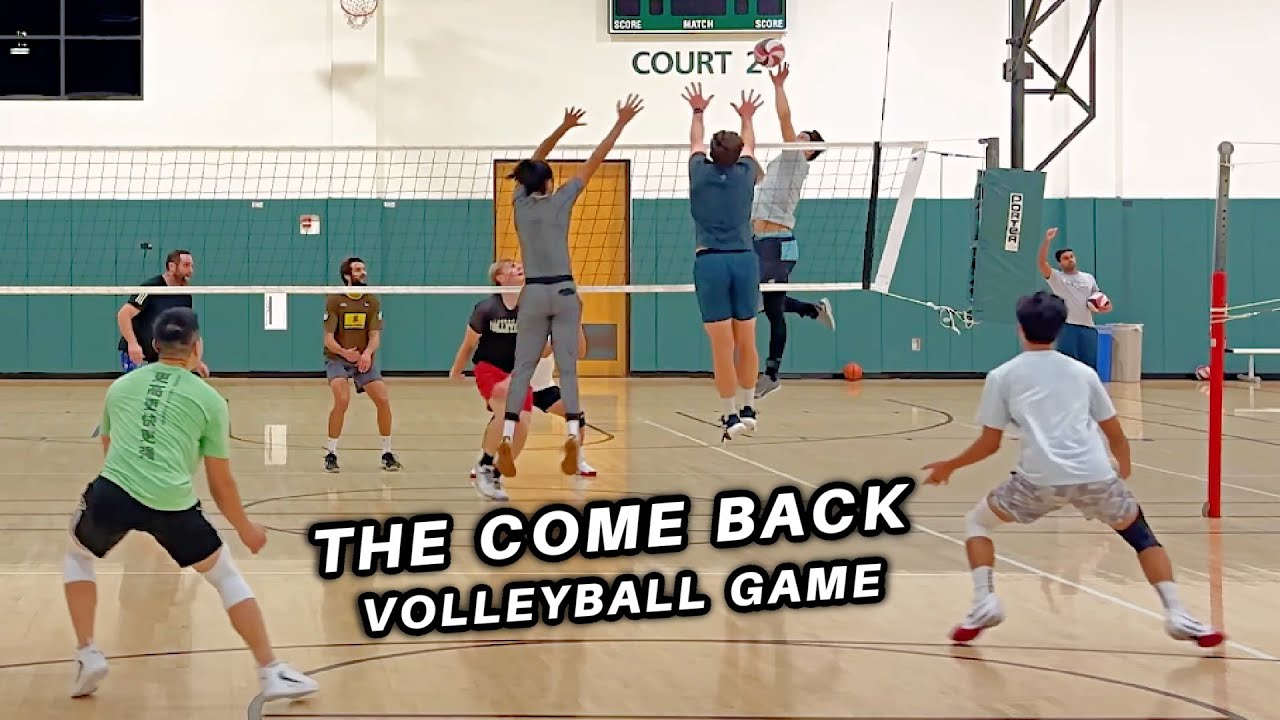
Image source: YouTube
Five Must-Watch International Volleyball Games for Every Fan
To truly appreciate the tactical depth of the sport, certain matches stand out as essential viewing. These games are not just about the score; they are masterclasses in specific phases of the game, from transition defense to aggressive serving strategies.
1. USA vs. Türkiye (2022 VNL)
Widely regarded as one of the most dramatic "Five-Set Wars" in recent history, this match is a study in psychological resilience. The momentum shifts between the two teams provide a perfect example of how tactical adjustments during timeouts can neutralize a dominant hitter. Pay close attention to the defensive adjustments made against Ebrar Karakurt in the final set.
2. Brazil vs. Japan (2022 Men’s World Championship)
If you want to see a masterclass in floor coverage and speed, this is the match to watch. Japan’s ability to dig balls that seem destined for the floor is exceptionally strong. This match demonstrates how a smaller team can compete with a physical powerhouse like Brazil through superior positioning and "out-of-system" attacking.
3. Brazil vs. Serbia (2022 Women’s World Championship)
This match highlights the tactical dominance of Serbian middle blockers. Watching how they read the setter’s eyes to establish a closed block is a significant advancement for any young player looking to improve their defensive presence at the net.
4. USA vs. Italy (Paris 2024 Women’s Final)
The pinnacle of modern tactical serving. Italy’s ability to target specific passers and disrupt the USA’s offensive rhythm is a top-tier example of "service pressure." This match is often cited by experts like Michella Chester as a defining moment for modern defensive systems.
How to Watch Volleyball Video for Technical Skill Development
Transitioning from a passive viewer to a "film student" requires a change in perspective. Instead of watching for the result of the rally, you should focus on the mechanics that led to that result. Expert coaches often use specific timestamps to demonstrate elite skills.
Advanced Setting Mechanics
Using footage to analyze Coach Pat Powers’ techniques can be highly impactful for setters. Look for hand positioning and weight transfer during "out-of-system" sets. High-speed stills of international setters show that the contact point is often higher and more consistent than what is taught at the developmental level. By pausing the video at the moment of contact, you can see the "diamond" shape of the hands that provides the most control.
The "One Tip" Drill in Real Time
Coach Artie’s fundamental tips—covering serving, passing, and setting—can be spotted in almost every high-level rally. For instance, watch the "platform" of a passer during a jump-serve reception. You will notice that the best passers in the world keep their arms quiet and use their legs to direct the ball, a technique that is notably innovative compared to the "swinging" motion often seen in amateur play.
Libero Tracking and Defensive Transition
The player in the different colored jersey is the key to understanding the defense. In a volleyball games video, the Libero’s primary job is to read the hitter’s shoulder. If you watch the Libero’s feet, you will see they are rarely stationary. They are constantly micro-adjusting their position based on the block's setup. This "reading" ability is what separates top-tier defenders from the rest of the field.
What the Announcers Miss and How Officials Actually Call the Game
There is often a significant "Announcer Gap" in sports broadcasts. Play-by-play commentators frequently focus on the excitement of the kill while missing the technical violations or officiating nuances that dictate the flow of the game. Understanding these rules can make watching a volleyball games video a much more rewarding experience.
The Substitution Trap (NFHS Rule 10.2.3.c)
One of the most misunderstood aspects of the game is the substitution process. According to the Officiating Forum, many "Unnecessary Delay" penalties occur because a second substitute is not ready to enter the sub zone immediately after the first. If the R2 (down referee) has already reported the first sub and the second player isn't at the line, the request is denied, and a penalty may follow. Announcers often blame the referee for "slowing down the game," but the official is simply enforcing the rule to maintain a consistent pace.
R1 vs. R2 Authority
While the R1 (up referee) has the final say, the R2 is responsible for net violations and substitution management. If you see the R1 overrule a whistle from the R2, it is usually because the R1 had a better angle on a touch or a ball-handling error. Spotting the subtle hand signals between the two officials can help you predict a call before the whistle even blows.
Yellow and Red Card Nuances
In international play, a yellow card is a formal warning and does not result in a point for the opponent. However, a red card results in a point and service for the other team. In some cases, a combined yellow and red card held in one hand means expulsion for the set. These details are rarely explained in depth during a standard broadcast but are crucial for understanding the disciplinary state of a match.
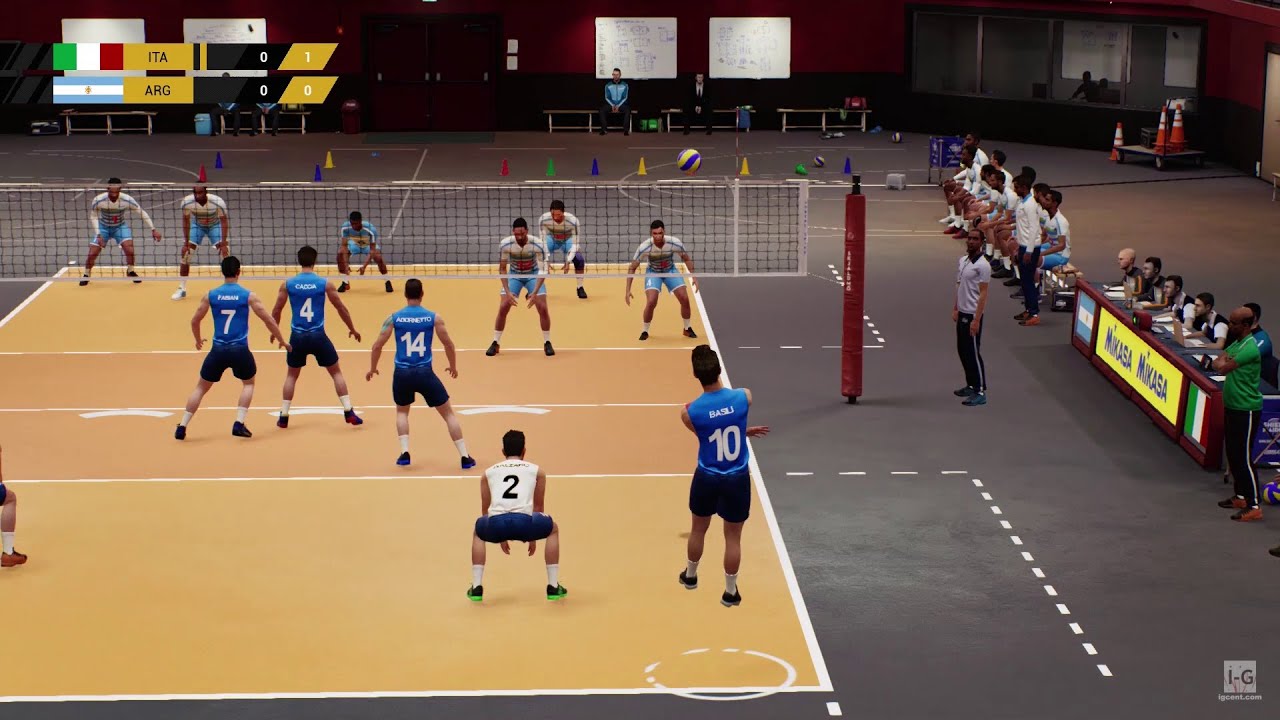
Image source: YouTube
Are You Looking for the Volleyball Legends Video Game?
It is important to acknowledge that many people searching for "volleyball games video" are actually looking for the popular Roblox title, Volleyball Legends. While the physics of a virtual game differ from reality, the strategic elements—such as timing your jumps and choosing spike angles—remain relevant.
Reaching Diamond-Pro Rank
To excel in the virtual arena, players must master the "timing window" for spikes. Much like in real life, jumping too early or too late will result in a weak hit or a block. Experts in the game suggest focusing on "corner shots" rather than aiming for the center of the court, as the virtual AI and human players often struggle to cover the deep corners. Additionally, understanding the "stamina" mechanic is vital; spamming jumps will leave you unable to block during a crucial rally.
Virtual vs. Reality
While Volleyball Legends is a popular choice for gamers, it shouldn't be confused with a simulation. The game prioritizes "flashy" plays over the grind of defensive transition. However, for a casual fan, it can be a fun way to learn the basic rotations and the flow of a standard volleyball match.
Frequently Asked Questions
Where can I watch full volleyball matches for free?
The most reliable source for free, high-quality matches is the Volleyball World YouTube channel. They host full replays of the Nations League and World Championships. Additionally, NCAA.com offers archives for many collegiate games, and Olympics.com provides access to historic Olympic matches with a free account.
How do I find high school volleyball game film?
High school film is typically found on the YouTube channels of state athletic associations or through platforms like NFHS Network (which may require a subscription). Many top-tier programs also upload their "Senior Night" or "State Final" matches to YouTube for public viewing.
What is the best way to study volleyball film as a player?
Focus on "technical isolation." Instead of watching the whole court, pick one skill—like serve receive—and watch only the passers for 10 minutes. Use slow-motion playback to analyze their footwork and platform angle. Comparing your own game film to professional footage is also a highly effective way to spot mechanical flaws.
Why did the referee give a delay of game penalty during a sub?
This is usually due to NFHS Rule 10.2.3.c, which requires all substitutes in a multiple-sub request to be ready to enter the zone immediately. If there is any hesitation or if the second player isn't at the sideline when the first sub is recorded, it is considered an "Unnecessary Delay."
Where can I get high-quality volleyball stock video?
Pexels is an excellent resource, offering over 3,000 free volleyball-related videos in 4K and HD. These are perfect for creators who need background footage for tutorials or social media posts without the risk of copyright infringement.
Who are the top-ranked NCAA women's volleyball teams right now?
Rankings fluctuate throughout the season, but teams like Texas, Nebraska, and Wisconsin are consistently ranked among the top. For the most current "Power 10" rankings and analysis, Michella Chester’s reports on NCAA.com are widely considered the most authoritative source.
The Bottom Line: How to Get the Most Out of Your Volleyball Viewing
Watching volleyball is a skill in itself. By moving beyond the "spectator" mindset, you can unlock a deeper understanding of the game's strategy and mechanics.
- Diversify Your Platforms: Use YouTube for international flair and NCAA.com for the tactical discipline of the college game.
- Watch with Intent: Isolate specific players or skills (like setting or blocking) to see the "game within the game."
- Learn the Official's Language: Understanding rules like "Unnecessary Delay" will help you stay informed during high-stakes moments.
- Leverage Free Resources: Use stock footage from Pexels for your own projects and study the "One Tip" drills from expert coaches.
- Bridge the Gap: Even if you are a gamer, use the virtual court to visualize real-world rotations and defensive zones.
Start your next film study session by picking one international match and tracking the Libero's movement for an entire set to see how elite defense is truly played.